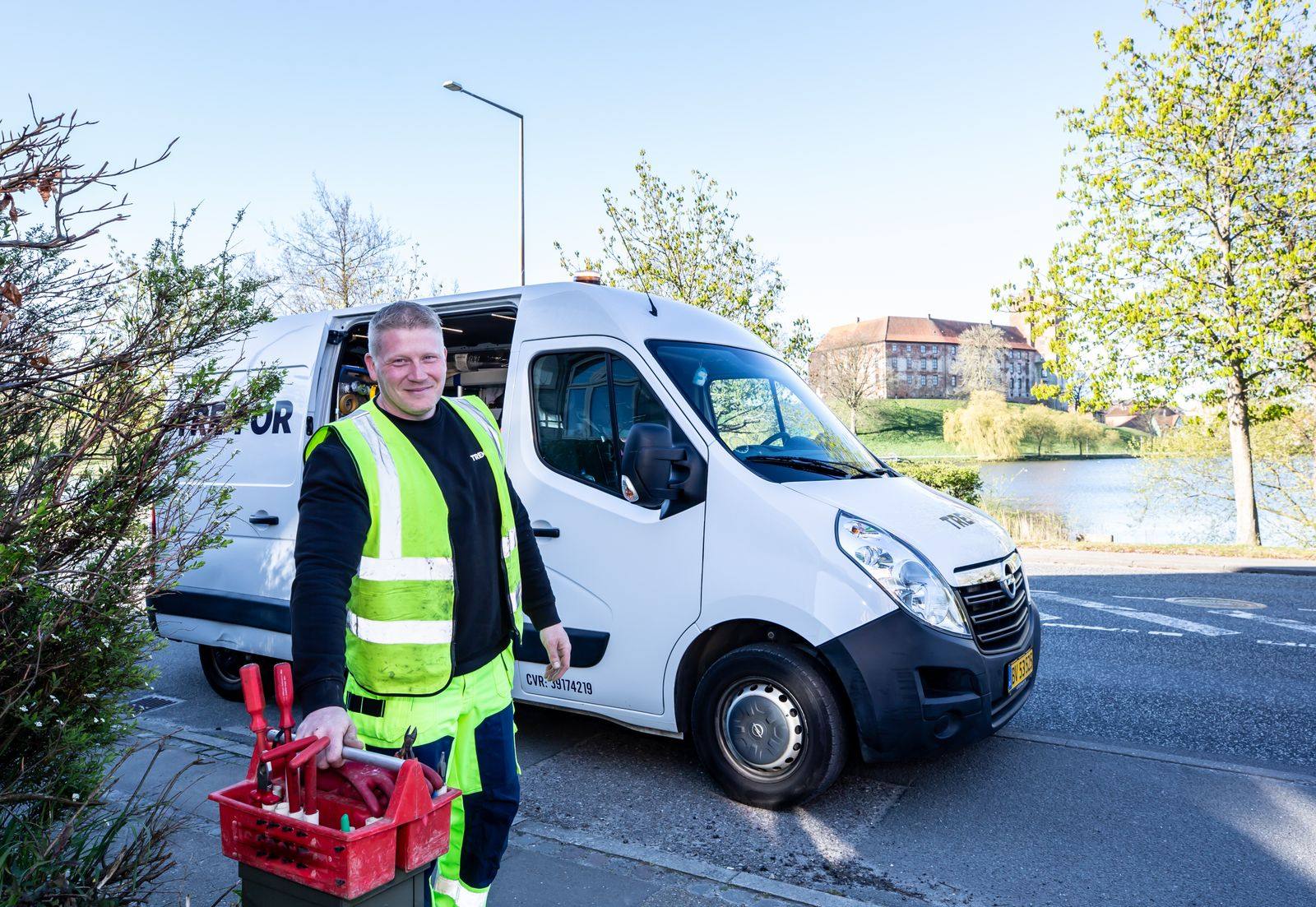
Not every water heater problem is an emergency, but the ones that are get more expensive with every minute. The most common one is a ruptured tank. Because the cold inlet keeps feeding a failed tank, the leak does not end when the heater is empty; it can keep going until someone closes a valve, soaking subfloors, carpet, and whatever sits underneath. Other urgent signs include a relief valve that is spraying or discharging repeatedly, which means the tank is running too hot or at too much pressure, water at the tap that is suddenly scalding, and a rotten-egg odor near a gas unit. For homeowners in St. Joseph, MO, any of these deserves a phone call right away rather than a wait-and-see approach.
Safety comes before the phone call to us. If you smell gas, leave the house right away, do not flip light switches or unplug anything on the way out, and call your gas utility or 911 once you are clear of the house. Once gas is ruled out, close the cold-water shutoff on the line feeding the heater; if it is seized or hard to reach, shut the main water valve for the house. On a gas unit, turn the control knob to OFF. On an electric unit, switch off its breaker, and never touch the panel while standing in water. If the relief valve is discharging, do not cap it or plug the discharge pipe, because that valve is the only thing keeping an overheated tank from failing violently. Then call (816) 219-8425 and our team will pick it up from there.
When you reach St. Joseph Water Heater, we start by asking what you see, hear, and smell, and we confirm the shutoffs are holding before a truck rolls. We dispatch as quickly as we can and give you a realistic time frame rather than a promise we cannot keep. Our trucks carry the parts behind most urgent failures, including relief valves, thermocouples, flame sensors, heating elements, thermostats, drain valves, and supply connectors, so plenty of emergencies are fixed in a single visit. When the tank itself has failed, patching it is not an honest option, so we explain replacement options, secure the area, and restore hot water as soon as the new heater is in. For emergency water heater repair in St. Joseph, call (816) 219-8425.
Most of our service calls are for Water Heater Repair in St. Joseph. That's the place to start for most homes.
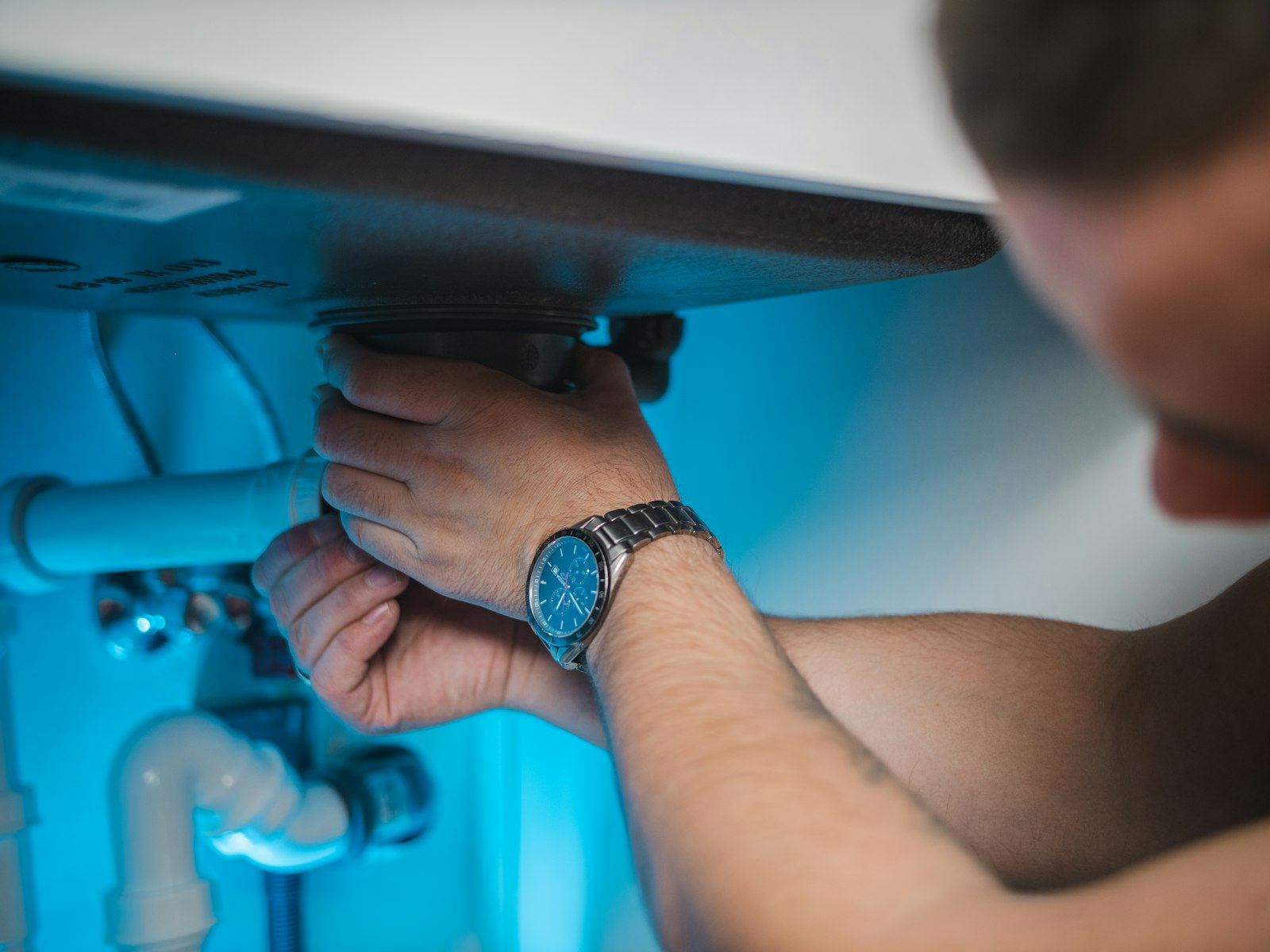
Symptoms That Mean It's Time to Call
Water heaters usually give plenty of warning before they fail, as long as you know what to look and listen for. Here are the most common indicators that it's time to call a professional:
- The relief valve on the side of the tank dripping, hissing, or discharging
- Black soot or heat discoloration around the burner door or draft hood
- A complete loss of hot water throughout the house
- Any gas odor around the heater, which means getting out and calling the gas company before calling us
- Sudden loud knocking or boiling sounds coming from inside the tank
- A breaker that trips every time the electric heater tries to run
- Water at the tap that is suddenly scalding hot
- Water pooling around the base of the heater or spreading across the floor
Don't Wait for a Total Failure
Left alone, even minor symptoms like rumbling or temperatures that swing from hot to warm tend to mean the heater is working its way toward a breakdown. A quick call to (816) 219-8425 gets a technician out to check it before it becomes an emergency.
Frequently Asked Questions About Emergency Water Heater Repair
The Benefits of Professional Emergency Water Heater Repair
A water heater emergency stacks several hazards in one small space. There is water on the floor near a 240-volt circuit on electric models, or near a gas valve, burner, and flue on gas models. There is a tank holding water at high temperature and household pressure. And there is a safety valve that, if it is discharging, is doing so for a reason. Homeowners sometimes try to stop the relief valve by capping it, crank on a leaking fitting until it snaps, or relight a pilot beside a gas smell, and each of those can turn a bad afternoon into something far worse. The safest moves for a homeowner are the simple ones: leave for gas, then shut off water and energy, then call for help.
Professional help is not just about having wrenches. It is about knowing why the failure happened so it does not happen again next month. When a relief valve discharges, we measure static water pressure and look for a missing or failed expansion tank. When a tank floods the floor, we locate the true source, whether it is the valve, a fitting, a connector, or the tank wall. When a gas heater dies, we check the thermocouple or flame sensor, gas pressure, and venting before restarting it. The diagnosis determines everything that follows. Components can be replaced the same visit; a failed tank cannot be patched, and you hear that straight and explain the replacement path.
How We Handle Emergency Water Heater Repair
Our workflow is simple and thorough, so nothing gets missed between the fuel supply and the relief line. Here's how we handle emergency water heater repair from start to finish:
Safety Call & Shutoff Guidance
The first step happens before we arrive. We rule out a gas smell with you, walk you through the water shutoff and the gas control or breaker, and help limit the spread of water.
Arrival & Stabilization
You get a straight answer on timing, not a promise we cannot keep. Once on site, we check the shutoffs, the gas or electrical supply, and the vent before touching the heater itself.
Repair or Honest Replacement
The source gets pinpointed before any part is replaced. Relief valves, drain valves, connectors, thermocouples, and elements travel with us, so most fixes happen the same visit.
Test and Confirm
Before we leave, the tank is refilled and bled of air, the burner or elements are brought back online, and we confirm dry connections, a working relief valve, and a safe 120F setting.
Water Heater Care Tips From Our Technicians
Most of the failures we see could have been delayed for years with basic upkeep. Here are our recommendations:
- Consider an automatic leak shutoff that stops the cold supply the moment water hits the floor
- Test the T&P valve annually; a valve that sticks or weeps afterward should be replaced
- Ask about a drain pan and drain line, especially for heaters in attics, closets, or above finished rooms
- Annual flushing keeps sediment from causing the rumbling and hot spots that lead to leaks
- Store chemicals and flammables far from the burner, and keep the area around the heater uncluttered
- Know where the heater shutoff and the main water valve are, and make sure everyone in the house does too
- Keep the thermostat near 120F to limit scalding and reduce strain on the tank
Comparing DIY and Professional Work
The line between a safe DIY check and a risky repair is usually the moment you need to open a gas fitting, a vent connection, or an electrical cover. A side-by-side look:
| Factor | Doing It Yourself | Professional Service |
|---|---|---|
| Gas Odor | Lingering near a possible leak | Leak detector and soap test after the area is cleared |
| Water Control | Hunting for shutoffs while water spreads | Supply isolated fast, stuck valves handled safely |
| T&P Discharge | Discharge silenced without finding the cause | Cause found: pressure, expansion, or overheating |
| Power & Water | Resetting breakers while the floor is wet | Power tested off and area made dry and safe |
| Diagnosis | Replacing parts until the leak stops | Leak and failure point pinpointed |
| Result | Problem likely to return | Lasting repair or honest replacement advice |
Book a Visit Today
Every day a leak or a failing part goes unchecked puts more stress on the tank. Get St. Joseph Water Heater on the job today.
Get Help: (816) 219-8425Where We Provide Emergency Water Heater Repair
Our technicians handle emergency water heater repair throughout St. Joseph and the surrounding communities, with the same upfront pricing everywhere we work.