A cold shower from a gas water heater usually means one thing: the burner is not firing, and something told it not to. Gas heaters are built around safety. The control valve will not open unless a thermocouple or flame sensor proves there is a flame, and many models lock out if the flame arrestor screen at the bottom gets clogged or the heater senses spilled exhaust. So the real question is which safety did its job, and why. Across St. Joseph, MO, the answer is most often a worn thermocouple, a dirty pilot or burner, a lint-choked air intake, a failing gas valve, or a vent that is no longer drafting properly.
Every gas water heater call starts with safety and then moves to testing. If you ever smell gas, leave the home first, call the gas utility from outside, and do not operate switches or try to relight anything. Once the area is safe, our St. Joseph technicians work through the heater systematically: millivolt readings on the thermocouple, a close look at the pilot and main burner flames, gas pressure at the control valve, a draft test to make sure exhaust is not spilling back, and a CO check around the appliance. Scorch marks at the burner access, rust flakes on the burner, and a lazy yellow flame each point to a different problem, and we chase down the right one.
Most gas water heater repairs are finished in a single visit. We replace thermocouples, flame sensors, pilot assemblies, and igniters, clean burners and flame arrestor screens, swap failed gas control valves, and correct vent connectors that have separated or lost their slope. We also flush sediment, the cause of that popping or rumbling sound and a major reason tanks overheat at the bottom and fail early. When the tank itself is leaking or the heater is deep into its service life, we tell you honestly and walk you through replacement. New installations are sized by first-hour rating, not just gallons, and include the right venting, a sediment trap on the gas line, an expansion tank where needed, and seismic straps and a drain pan where code requires them. Call (816) 219-8425 for gas water heater service in St. Joseph.
Most of our service calls are for Water Heater Repair in St. Joseph and Water Heater Installation in St. Joseph. That's the place to start for most homes.
How to Tell Something Is Wrong
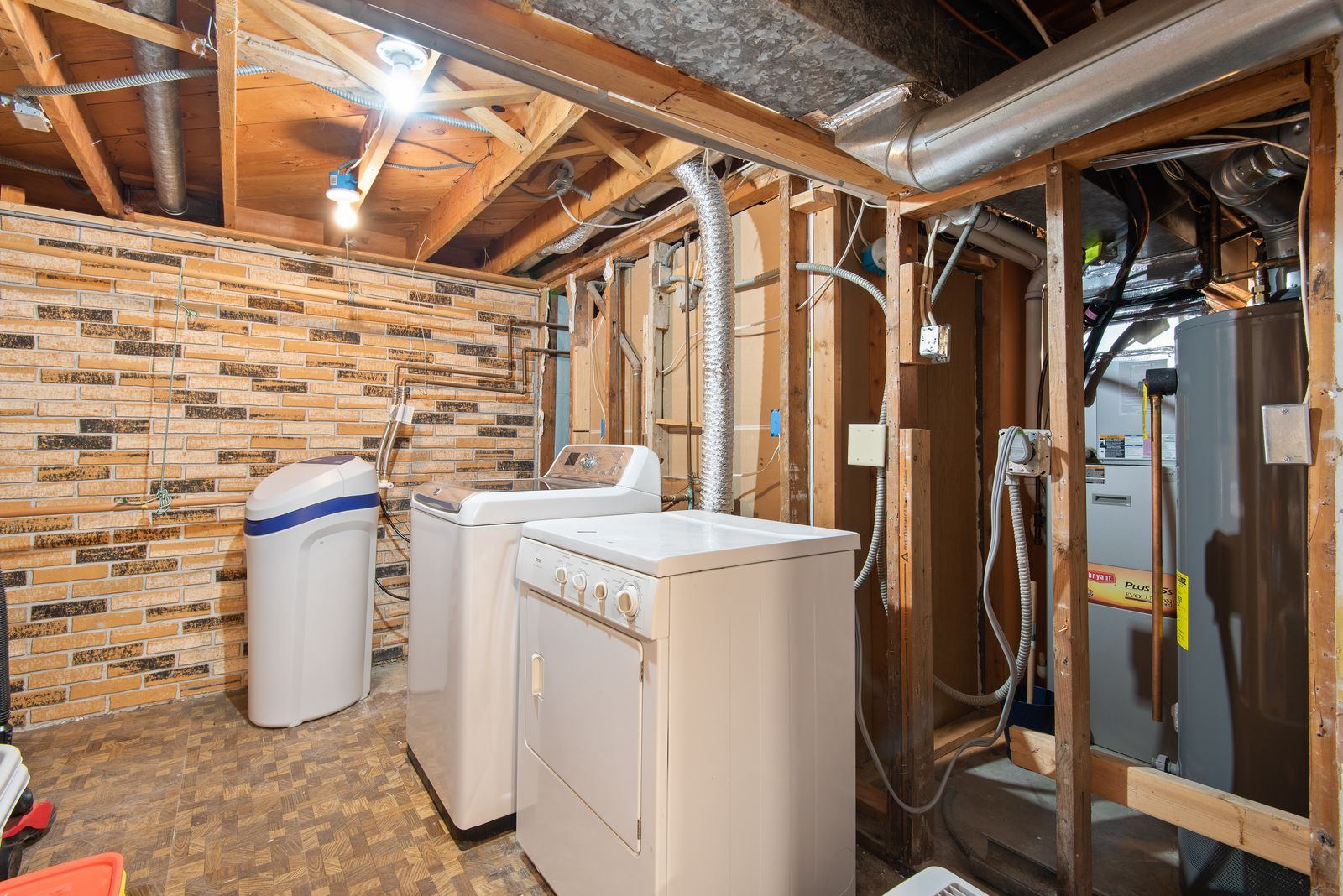
Water heaters usually give plenty of warning before they fail, as long as you know what to look and listen for. Keep an eye out for the following:
- A pilot that lights, then goes out when you release the knob
- A tank that pops and bangs while it heats, a classic sign of sediment
- A cold tank and a burner that will not come on
- A rotten-egg odor near the water heater, in which case get out and call the gas company first
- Less hot water than the tank should deliver
- Leaks at the drain valve, the fittings, or the bottom of the tank
- Soot or scorch marks around the burner access door
- A vent pipe that has separated, rusted, or left scorch marks near the top of the heater
Don't Wait for a Total Failure
Tanks rarely fail all at once. They corrode from the inside for months, and the warning signs show up long before the floor gets wet. Call St. Joseph Water Heater at (816) 219-8425 at the first sign of trouble.
Get Gas Water Heater Services Handled Today
We'll diagnose the problem and give you a straight answer on the fix.
Call (816) 219-8425 NowGas Water Heater Services FAQ
Why Hire a Professional for Gas Water Heater Services?
Two things make gas water heater work a poor DIY project: the parts involve fuel and combustion, and the symptoms overlap. A pilot outage might come from a worn thermocouple, a partly blocked pilot tube, lint on the flame arrestor screen, a downdraft, or an internal valve failure. A wrong guess there just wastes money. Guess wrong on a gas fitting or vent connection and the stakes are much higher, since a small leak or a spillage problem can put gas or carbon monoxide into the living space. Gas valve and heater replacements also typically call for a permit.
Our technicians approach gas heaters with instruments rather than assumptions. They check thermocouple output in millivolts, read gas pressure at the valve, test draft at the hood, check for CO around the appliance, and leak-test every joint they touch. That process fixes the actual fault the first time and leaves your home safer than before. We also give you an honest assessment of the heater itself. A tank past about ten or twelve years with a failing valve or a leak is usually a replacement, and you will hear that from us before you spend money on a repair.
How We Handle Gas Water Heater Services
Good water heater work comes down to a consistent routine, and ours starts with a real diagnosis instead of a guess. Here's the short version:
Safety Check & Diagnosis
Before a single part is changed, we confirm the heater is safe to work on and test each part of the ignition, gas, and venting systems to pinpoint the failure.
Clear Answers & Upfront Price
We show you what failed, explain why, and give a firm price before work begins. If the tank is leaking or near the end of its life, we tell you so.
Repair or Installation
Thermocouples, flame sensors, pilot assemblies, and gas valves are usually replaced on the spot. For replacements, we install a correctly sized heater with proper venting and code items.
Draft & Leak Test
We light the heater and check every gas joint for leaks, confirm the vent drafts properly, and verify the burner flame and water temperature before we leave.
Water Heater Care Tips From Our Technicians
A little routine care goes a long way toward keeping a water heater running well past its expected lifespan. Here's where to begin:
- Watch for a loose, rusted, or sagging vent pipe above the heater
- Vacuum lint and dust from the flame arrestor screen at the base a few times a year
- Never store flammable liquids near a gas water heater
- Flush the tank on a regular schedule so sediment never bakes onto the bottom
- Check the anode rod every three to five years, since it protects the tank from corrosion
- Keep working CO alarms near bedrooms and on each floor
- Set the gas valve near 120 degrees, because hotter water costs more and can scald
DIY vs. Professional Gas Water Heater Services
Online videos may help in a pinch, yet lasting repairs and code-compliant installs depend on correct venting, proper relief valve discharge piping, and a trained technician. Here's a comparison:
| Consideration | Doing It Yourself | Professional Service |
|---|---|---|
| Diagnosis | Swap parts until the pilot stays lit | Instruments pinpoint the actual failure |
| Gas Connections | Risk of a slow leak you cannot see | Every joint leak-tested before we leave |
| Venting & CO | Vent slope and connections overlooked | Spillage and CO checked at the appliance |
| Code Compliance | Straps, pan, and expansion tank missed | Permit handled where required |
| Sediment & Tank Care | Anode rod ignored | Sediment flushed, anode checked |
| Outcome | Temporary fix at best | Lasting repair, confirmed by testing |
Talk to Our Gas Water Heater Services Team
Every day a leak or a failing part goes unchecked puts more stress on the tank. Get St. Joseph Water Heater on the job today.
Get Help: (816) 219-8425Where We Provide Gas Water Heater Services
Our technicians handle gas water heater services throughout St. Joseph and the surrounding communities, with the same upfront pricing everywhere we work.